
What’s that weird smelling plant? How did you do the landscaping on the limestone cliffs? Where can I find that bird that’s always singing?
FAQs: What’s a Nature Walk?

What’s that weird smelling plant? How did you do the landscaping on the limestone cliffs? Where can I find that bird that’s always singing?

Today's Be GREEN participants come from Grades 4, 5, and 6. Their teachers introduce us and they greet us with an enthusiastic, "Good Morning, po!" They are ready for class.

A species formerly classified along with the pangolins of other South East Asian countries, the Philippine pangolin or balintong is now identified as a unique and distinct creature endemic to the Palawan faunal region.

In all my years of doing environment work, I never thought I would have the chance to take care of a baby Palawan Hornbill (Anthracoceros marchei).

This year’s theme, Healthy Oceans, Healthy Planet, reminds everyone of the significance of the oceans to all living creatures and to mankind.

May 6th was a special day for Pangulasian Island Resort, as it carried out its first successful Green Hour - an event where electricity is totally cut off throughout the resort for one whole hour.
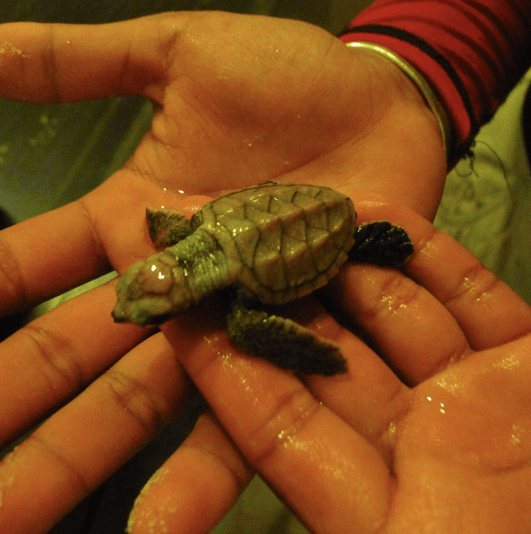
Seeing that the turtle was weak and vulnerable in an island popular among tourists, Fritz decided to take it home to Pangulasian Island to see if anything could be done for the little guy.
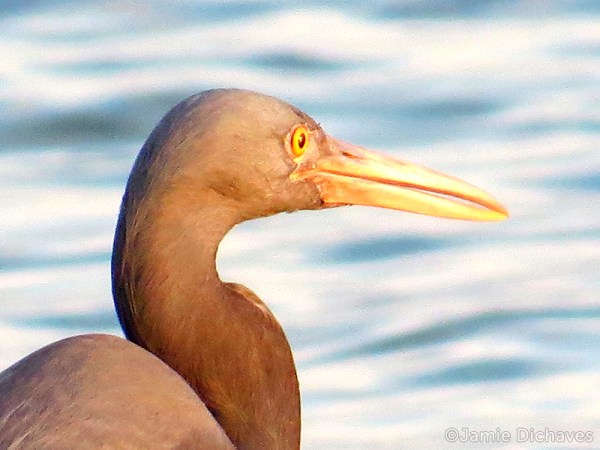
The eastern reef egret (Egretta sacra) sometimes comes off as the bird that can't make up its mind. Not content with being one color, this bird comes in three shades - blue-gray, white, and a mottled somewhere-in-between.
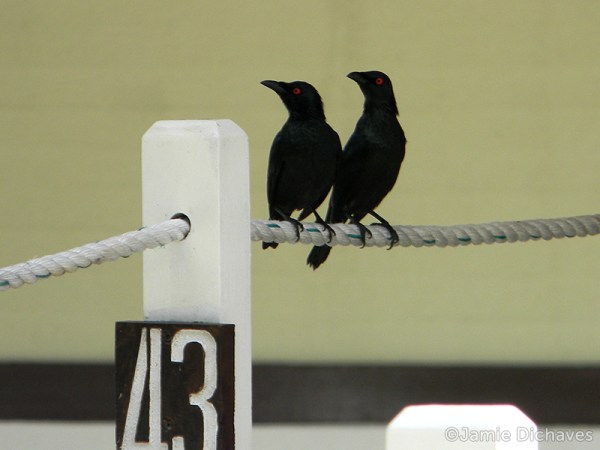
If you spot a flock of black birds with blood-red eyes, don't freak out! They're just Asian glossy starlings (Aplonis panayensis) roosting together for the night.
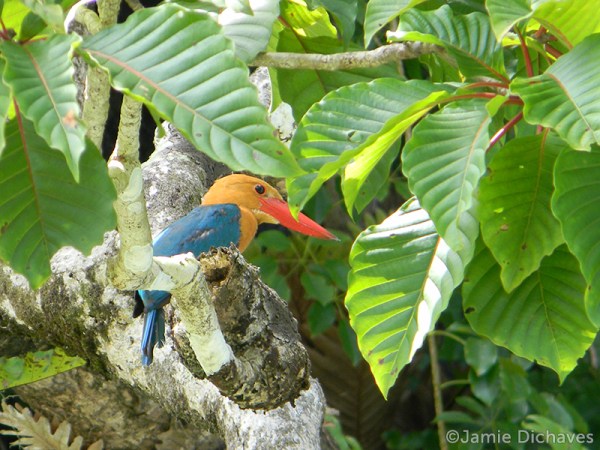
You'll have no trouble identifying the stork-billed kingfisher (Pelargopsis capensis) when you see it - its size, bright ocher and blue-green color, and prominent red beak makes it unmistakable.

 Ten Knots Group Environment and Sustainability